



TikTok Agrees to $400 Million Settlement Over Child Privacy Claims
 193cc Agency CouncilAugust 22, 20261 Mins read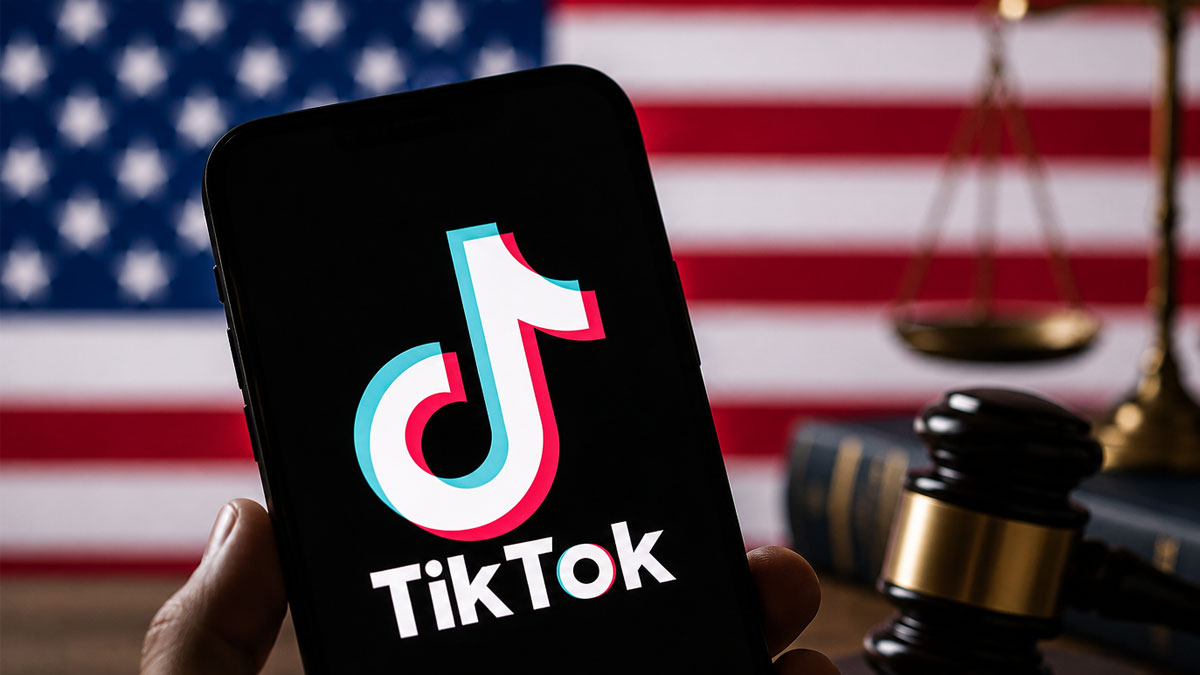
TikTok and its parent company, ByteDance, have agreed to pay $400 million to resolve allegations that the platform violated federal protections for children’s online privacy. The settlement, announced Friday, represents one of the company’s largest settlements to date.
Under the agreement, TikTok will immediately pay $300 million, while another $100 million will be used to resolve an older consent judgment involving Musical.ly, the predecessor to TikTok, according to the U.S. Department of Justice.
The Justice Department sued TikTok in 2024, alleging that the company collected and retained personal information from children without properly notifying their parents or obtaining the required parental consent. Prosecutors also accused TikTok of knowingly allowing children to establish standard accounts intended for users ages 13 and older, giving them the ability to post and share videos and communicate with adults.
The Justice Department described the agreement as “one of the largest recoveries ever obtained” in a case involving the Children’s Online Privacy Protection Act, or COPPA. The law generally requires websites and apps to obtain parental consent before collecting personal information from children.
Federal officials also pointed to changes within TikTok, saying the company has undergone significant changes involving its ownership, management, compliance operations and privacy practices. The comments come after ByteDance reached a deal last year to sell a majority stake in TikTok’s U.S. operations to a group of American and international investors.
TikTok did not admit wrongdoing as part of the settlement.
The latest agreement brings the amount ByteDance has agreed to pay in U.S. settlements since 2019 to roughly $500 million.
TikTok previously agreed in 2022 to pay $92 million to settle claims that it had collected and profited from users’ private information, including facial-recognition and location data. Under that agreement, the company was prohibited from collecting biometric and GPS information unless the practices were clearly disclosed in its privacy policy.
TikTok has also faced years of scrutiny over alleged connections between ByteDance and the Chinese Communist Party. Before the company’s U.S. operations were transferred to American ownership interests, ByteDance employees were accused of improperly accessing IP addresses and other user information while investigating journalists covering the company. ByteDance was also accused of mishandling data belonging to U.S. companies and prominent influencers, with some sensitive financial information reportedly stored in China.





Related Articles
Bill Gates Warns AI Could Cause Mass Death If Misused
Bill Gates has warned that artificial intelligence is powerful enough to contribute...
U.S. and China Discuss AI Safety Alert Mechanism
The United States and China have discussed establishing a new artificial intelligence...
Trump Says CNN, MS NOW and Politico Are Banned From White House
President Donald Trump said Friday that CNN, MS NOW and Politico would...

Trump Threatens EU Tariffs Over Canada Associate Membership Plan
President Donald Trump on Wednesday threatened to impose heavy tariffs on the...
Leave a comment