



Trump’s Iran Deal Draws Mixed Reactions Across Political Divide
 193cc Agency CouncilJune 19, 20263 Mins read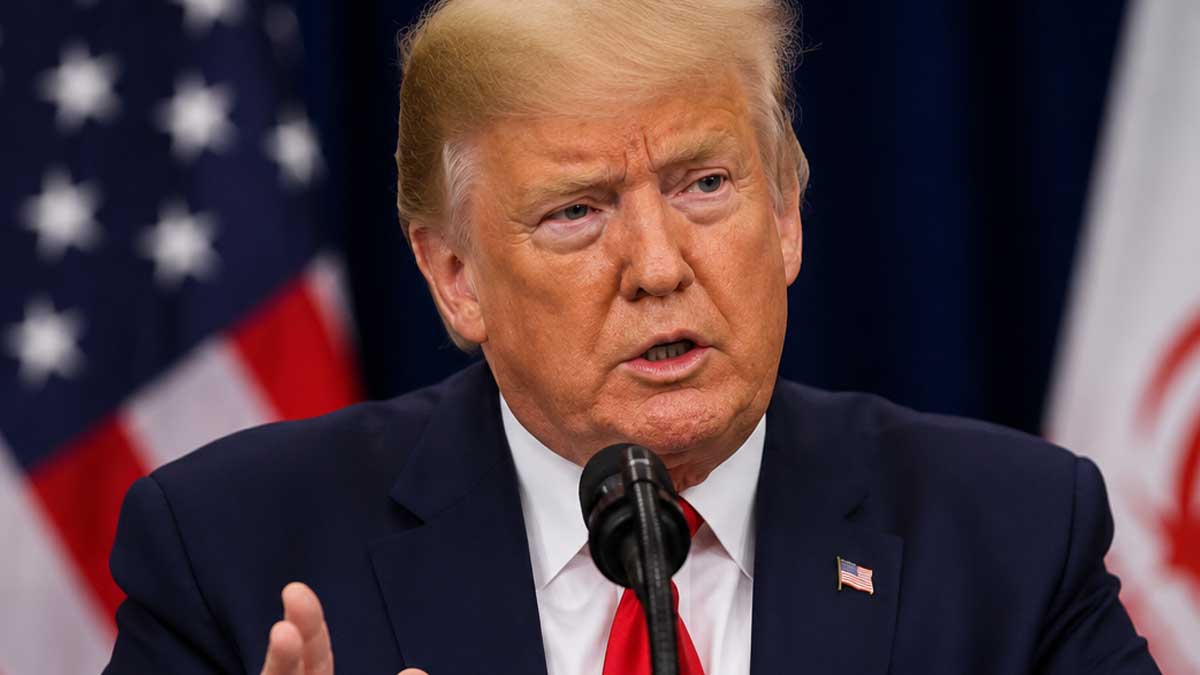
A newly signed agreement between the United States and Iran aimed at ending the recent conflict has sparked criticism from both Republicans and Democrats, although a number of lawmakers from both parties have cautiously endorsed the deal as a preferable alternative to a prolonged war.
The memorandum of understanding, signed overnight Wednesday by President Donald Trump and Iranian President Masoud Pezeshkian, outlines an initial framework while leaving several major issues unresolved. Key questions, including the future of Iran’s nuclear program, are scheduled for further negotiations during a 60-day period following the agreement.
Under the terms announced so far, the United States will lift its naval blockade of Iranian ports, while Iran has agreed to use its “best efforts” to reopen the Strait of Hormuz without tolls for a period of 60 days. The agreement also grants Iran access to $300 billion in private investment funding for infrastructure and reconstruction projects. In addition, the U.S. Treasury Department plans to issue waivers for Iranian oil exports and has pledged to remove sanctions and release frozen Iranian assets if a final agreement is reached.
Despite widespread criticism, several Republican lawmakers have expressed tentative support. Senator Lindsey Graham of South Carolina said the agreement could benefit the United States by helping reopen the Strait of Hormuz and ending hostilities, while noting that the success of future negotiations on Iran’s nuclear program remains uncertain. Senator Ron Johnson of Wisconsin described the deal as an acknowledgment of reality, while Senator Josh Hawley of Missouri argued that it was preferable to deploying American ground troops.
Senator Roger Marshall of Kansas also defended portions of the agreement, stating that while he would prefer Iran not possess ballistic missiles, complete disarmament was unrealistic without military occupation. His comments followed President Trump’s acknowledgment that Iran’s missile stockpile had not been entirely eliminated.
Some critics who opposed the war nevertheless viewed the agreement as the least harmful outcome available. Representative Ro Khanna of California said he supports ending the conflict, although he believes the deal falls short of the Obama administration’s nuclear agreement with Iran. Robert Malley, the lead negotiator behind the Joint Comprehensive Plan of Action, said the new accord is preferable to the available alternatives and argued that comparisons between the two agreements are difficult because they emerged under very different circumstances. The Financial Times editorial board similarly described the agreement as the least damaging conclusion to the conflict and welcomed the end of hostilities.
Opposition from Republican critics has been particularly sharp. Senator Roger Wicker of Mississippi argued that the $300 billion investment package would dwarf the economic benefits Iran received under the 2015 nuclear agreement. Senator Bill Cassidy of Louisiana called the arrangement a major foreign policy mistake, arguing it failed to curb Iran’s nuclear ambitions while rewarding the country economically. Senator John Cornyn of Texas expressed concern that Iran could use the agreement to rebuild its military capabilities and continue uranium enrichment activities.
Senator Ted Cruz of Texas criticized the financial provisions of the deal, describing the investment package as indefensible. Former Vice President Mike Pence also voiced concerns, particularly regarding what he characterized as immediate sanctions relief. Conservative commentator Ben Shapiro said the agreement appeared to fall short of the administration’s stated objectives, including dismantling Iran’s nuclear and missile programs. New York Times columnist Bret Stephens described the outcome as a strategic victory for Tehran and a setback for Washington. Trump ally Steve Bannon likewise opposed easing sanctions or providing Iran with access to additional funding.
Democratic critics also questioned the agreement. Senator Elizabeth Warren of Massachusetts argued that Iran could emerge from the deal in a stronger financial position and questioned how the arrangement benefits Americans. Former Obama administration spokesperson Tommy Vietor suggested the agreement could leave Israel increasingly dependent on President Trump’s decisions. Senator Chris Murphy of Connecticut characterized the deal as a straightforward exchange involving financial benefits for Iran in return for reopening the Strait of Hormuz.
Additional criticism came from policy experts, media commentators, and editorial boards. Fox News host Brian Kilmeade observed that Iran did not appear to have been significantly weakened by the outcome. Eurasia Group analysts Ian Bremmer and Firas Maksad called the agreement one of the most consequential foreign policy mistakes of Trump’s presidency, arguing that Iran emerged from the conflict with its government intact and regional influence preserved. The Wall Street Journal editorial board questioned the temporary nature of the Strait of Hormuz provisions, while Energy Aspects founder Amrita Sen said the published terms appeared heavily favorable to Iran.
Not all analysts were negative. Michael Singh of the Washington Institute for Near East Policy argued that reopening the Strait of Hormuz could shift pressure onto Iran and ultimately strengthen Washington’s position in future negotiations.
President Trump strongly defended the agreement against criticism. In a Truth Social post on Thursday, he dismissed opponents who claimed he had not been tough enough on Iran. Speaking at the G7 summit in France, Trump said the agreement accomplished the administration’s primary objective of preventing Iran from obtaining a nuclear weapon while also avoiding economic disruption. He defended allowing Iran to retain some ballistic missile capabilities, arguing that other nations possess similar weapons. Trump also acknowledged that, like any agreement, its success remains uncertain but expressed confidence that both sides are prepared to finalize the deal.
Pope Leo XIV welcomed the agreement as a positive outcome of sustained dialogue and negotiation, though he stopped short of endorsing the terms themselves.






Related Articles

Nor’easter Forces Cancellations of Major East Coast Events
A powerful nor’easter approaching the U.S. East Coast has led to the...
Pope Leo Welcomes Press Amid Trump White House Media Ban
Pope Leo XIV said Friday that journalists covering his trip to France...

Lewis Hamilton Backs Macklemore Amid Ed Sheeran Tour Dispute
Formula 1 driver Lewis Hamilton has publicly expressed support for Macklemore after...


Elon Musk Attacks ‘Musk’ Director Alex Gibney Over Documentary
Elon Musk has launched a series of attacks against Oscar-winning filmmaker Alex...
Leave a comment