




Paramount-Warner Deal Faces Global Regulatory Hurdles and $7B Risk
 193cc Agency CouncilJuly 27, 20263 Mins read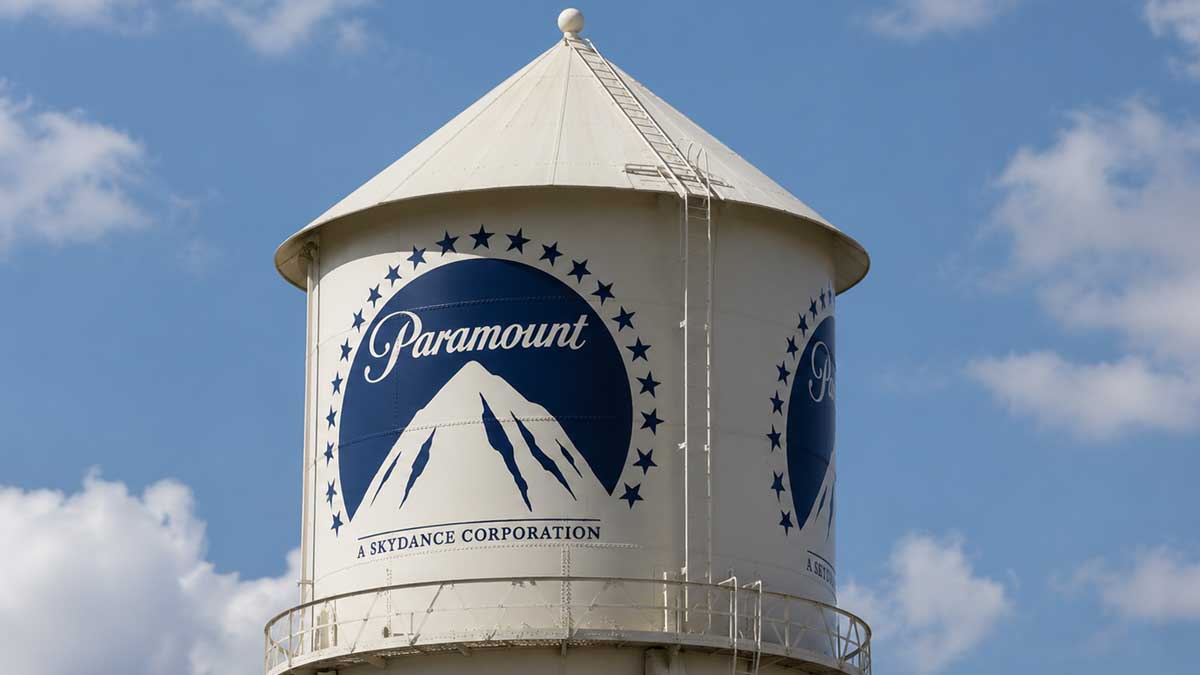
Paramount Skydance’s proposed acquisition of Warner Bros. Discovery is facing growing uncertainty as regulators in the United States, Europe and the United Kingdom continue to assess the transaction under different legal standards. While the U.S. Department of Justice has cleared the merger, legal action in California, conditions imposed by the European Commission and possible legislative changes in Britain have combined to delay the deal and increase its potential cost.
Under an agreement reached after a temporary restraining order was issued by a California court, Paramount has agreed not to complete the acquisition until five days after a final court ruling or June 1, 2027, whichever comes first. The restraining order followed a lawsuit filed by 12 state attorneys general challenging the merger.
The delay carries significant financial consequences. Warner Bros. Discovery shareholders are set to receive $31 per share in cash, but if the transaction remains unfinished after September 30, the merger agreement requires additional consideration to accumulate at a rate equal to 25 cents per share every 90 days. Based on Warner Bros. Discovery’s outstanding shares, that amounts to roughly $650 million every quarter, or approximately $7 million per day, potentially increasing the purchase price by about $1.7 billion if the merger closes around next June.
The merger agreement also includes a major financial safeguard. Paramount could be required to pay a $7 billion regulatory termination fee if the acquisition is blocked under specified regulatory circumstances. Larry Ellison and his revocable trust have jointly and severally guaranteed that payment, along with $45.72 billion of the merger consideration and the $2.8 billion Paramount previously paid Netflix on Warner Bros. Discovery’s behalf after Warner accepted the higher offer. If Warner Bros. Discovery were instead responsible for ending the agreement, it would owe Paramount a $3 billion termination fee.
When granting the temporary restraining order, the California court noted that both companies acknowledged they would not face carrying costs from a delayed closing until the end of September. Based on that, the court concluded there was no immediate harm in postponing the merger while legal proceedings continue.
The structure of the agreement has shaped each company’s public response. Paramount has argued that the lawsuit does not reflect the realities of today’s media landscape and that delaying the merger ultimately benefits large technology companies rather than consumers. Warner Bros. Discovery, by contrast, has remained largely silent as the contract provides its shareholders with increasing compensation for every additional month the deal remains pending and offers financial protection if the merger ultimately fails.
Regulatory reviews have also differed significantly across jurisdictions. On June 12, the U.S. Department of Justice ended an eight-month investigation that reviewed more than two million documents from over 80 custodians. The department concluded the acquisition was “not likely to result in harm to competition or American consumers” in the markets for streaming video-on-demand, linear television and theatrical film development, production and distribution.
However, on July 20, a federal court in California reached a different preliminary conclusion regarding theatrical film distribution. The court determined that Paramount’s expected 27% share of the wide-release theatrical distribution market following the merger would create enough market concentration to presume a likely violation of competition law.
The European Commission approved the acquisition on July 22 but required Paramount to leave United International Pictures, its European film distribution joint venture with Universal, as a condition for clearance. The European review focused on that specific distribution arrangement rather than the companies’ overall position in streaming or theatrical exhibition.
In the United Kingdom, the review has become more complicated because existing legislation does not fully address streaming services. On June 30, Culture Secretary Lisa Nandy told Parliament she was considering intervention under the Enterprise Act 2002 on public interest grounds involving both news media plurality and ownership of on-demand programming services. Nandy said current legislation “does not cover the effect of a merger on streaming or video-on-demand services” and confirmed plans to introduce secondary legislation to expand the law.
Britain’s parliamentary schedule has added further uncertainty. The House of Commons began its summer recess on July 16 without making a formal intervention decision. Parliament is scheduled to return on September 1 before another recess later that month, leaving limited time to consider the proposed legal changes before additional merger payments begin accumulating after September 30.
The transaction was announced on February 27, 2026, with Paramount agreeing to acquire Warner Bros. Discovery in a $31-per-share cash deal that values the company at approximately $110 billion, including debt. Since then, the merger has cleared the U.S. Justice Department, faced legal challenges from California and 11 other states, received conditional approval from the European Commission and entered a period of uncertainty in Britain while lawmakers consider expanding the country’s merger review powers.
Recent events involving Getty Images and Shutterstock have illustrated how a single regulator can derail a global transaction. Although U.S. authorities did not oppose their proposed merger, the U.K. Competition and Markets Authority approved the $3.7 billion deal only if Shutterstock sold its editorial content business. Getty declined that condition, leading to the merger’s termination on July 7. The CMA’s inquiry chair described the outcome as “ultimately a commercial choice.”
As Paramount, Warner Bros. Discovery and their shareholders wait for multiple legal reviews to conclude, the outcome will depend not only on financial commitments but also on whether regulators across four different jurisdictions can reach common ground on how to assess the changing media industry.






Related Articles

Nor’easter Forces Cancellations of Major East Coast Events
A powerful nor’easter approaching the U.S. East Coast has led to the...
Pope Leo Welcomes Press Amid Trump White House Media Ban
Pope Leo XIV said Friday that journalists covering his trip to France...

Lewis Hamilton Backs Macklemore Amid Ed Sheeran Tour Dispute
Formula 1 driver Lewis Hamilton has publicly expressed support for Macklemore after...


Elon Musk Attacks ‘Musk’ Director Alex Gibney Over Documentary
Elon Musk has launched a series of attacks against Oscar-winning filmmaker Alex...
Leave a comment