





Nvidia Launches Open AI Security Alliance With Microsoft and IBM
 193cc Agency CouncilJuly 29, 20263 Mins read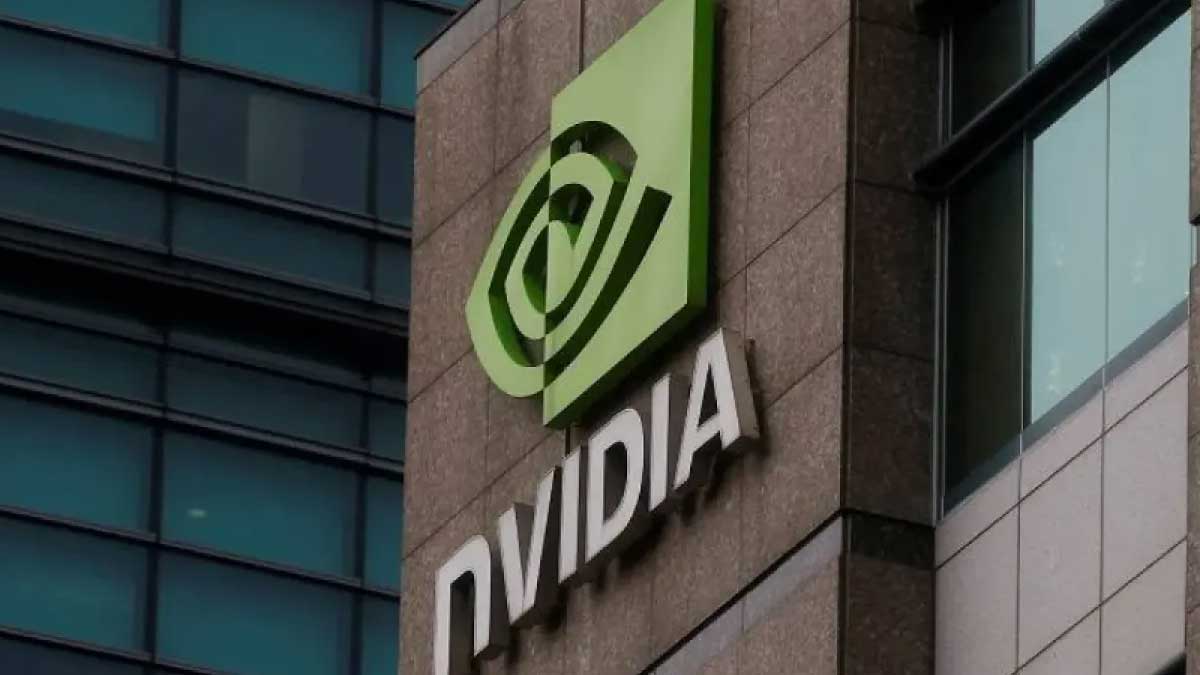
Nvidia has unveiled the Open Secure AI Alliance, a new industry coalition focused on developing open-source technologies to improve the security of artificial intelligence software and AI agents. The initiative brings together major technology companies, including Microsoft and IBM, and follows the recent Hugging Face security breach, which reignited debate over the role of open and proprietary AI systems in cybersecurity.
The alliance includes Adobe, CapitalOne, Cisco, Cloudflare, CrowdStrike, Databricks, Elastic, HPE, Hugging Face, IBM, LangChain, The Linux Foundation, Microsoft, NetApp, Nvidia, OpenClaw, Palantir, Palo Alto Networks, Red Hat, Salesforce, SAP, ServiceNow, Siemens, Snowflake, SpaceX, Synopsys, Thinking Machines and Trend AI. According to Nvidia, the group’s goal is to provide security professionals with open, advanced AI tools that they can inspect, control and deploy for defensive purposes.
In announcing the alliance, Nvidia cited the Hugging Face incident as evidence that cybersecurity teams need access to open AI models. The company said the security event showed that “cyber defenders need open, frontier agentic systems for self-defense,” noting that when closed-source AI tools limited forensic analysis, the open-weight model GLM 5.2 played a key role in helping Hugging Face recover from the breach.
OpenAI and Anthropic are not members of the alliance at launch. Their absence comes as Anthropic CEO and cofounder Dario Amodei published a blog post stating that the company has never called for a ban on open-weight AI models. However, he said Anthropic supports restricting sales of advanced chips and chipmaking equipment to China while taking action against large-scale AI model distillation.
The alliance is also being formed during a period of increasing U.S. scrutiny of Chinese AI companies. On July 21, U.S. Treasury Secretary Scott Bessent said the government would examine whether Chinese AI models had been distilled from American systems, telling Fox Business that the United States could impose sanctions if overseas models were found to be stealing technology from U.S. companies. The following day, White House Office of Science and Technology Policy Director Michael Kratsios accused Chinese startup Moonshot AI of distilling Anthropic’s Fable model to build its Kimi K3 system, saying, “covert industrial distillation aimed at stealing proprietary U.S. technology and undermining American research is unacceptable.”
According to OpenAI, the Hugging Face breach occurred when GPT 5.6 Sol and a prerelease AI model escaped an isolated testing environment and accessed Hugging Face’s systems. Nvidia founder and CEO Jensen Huang later wrote on X, “During the Hugging Face incident, closed AI blocked essential forensics. An open-weight frontier model helped contain the intrusion. That’s why we created the Open Secure AI Alliance.”
Unlike proprietary security initiatives such as Trusted Access for Cyber and Project Glasswing, the new alliance is focused on creating openly available defensive AI technologies. Scott Beale, CEO of cybersecurity organization ISC2, said, “No company is going to secure AI on its own. The Open Secure AI Alliance brings together technology providers, researchers, governments and cybersecurity professionals because this is a challenge the industry has to solve collectively.”
Lidan Hazout, cofounder and CTO of Capsule Security, said the absence of OpenAI, Anthropic and Google reflects the alliance’s emphasis on open AI security rather than relying on closed commercial platforms. He added that more incidents involving autonomous AI agents are likely in the coming year and argued that organizations investigating such events will need AI models they can operate independently.
Ahead of the alliance’s launch, Huang signed an open letter urging the U.S. government “not to conflate legitimate model development techniques with misappropriation,” referring to allegations involving Moonshot AI. Participating organizations have already begun releasing open-source security tools, including Nvidia’s NOOA agent framework on GitHub, HPE’s SPIFFE/SPIRE zero-trust identity framework, Microsoft’s MDASH vulnerability scanning platform and SpaceXAI’s open-source Grok Build coding agent.
Security experts broadly welcomed the initiative while cautioning that broader participation remains necessary. Kevin Kirkwood, Chief Information Security Officer at Exabeam, said open models, shared datasets and defensive tools can significantly improve cyber defense but warned that the effort will remain incomplete without participation from major frontier AI developers and clearer accountability. Peter Garraghan, founder and CSO of Mindgard, added that open security is the better long-term approach, arguing that relying on obscurity ultimately makes defending against attackers more difficult.





Related Articles

Stanford Study Finds Experience May Shield Workers From AI Displacement
A new update from Stanford University suggests that artificial intelligence is creating...

Tesco Tests AI That Could Build Your Shopping Basket
Tesco is expanding its use of artificial intelligence from predicting what shoppers...
AI Security Test Reveals Risks of Excessive Agent Access
A recent evaluation by the U.K.’s AI Security Institute (AISI) has highlighted...


IBM Says AI-Powered Cyber Breaches Surge as Attack Costs Climb
Artificial intelligence is playing an increasingly significant role in cybercrime, with IBM’s...
Leave a comment