





Trump’s June Stock Trades Included SpaceX, Palantir and Tech Giants
 193cc Agency CouncilAugust 24, 20262 Mins read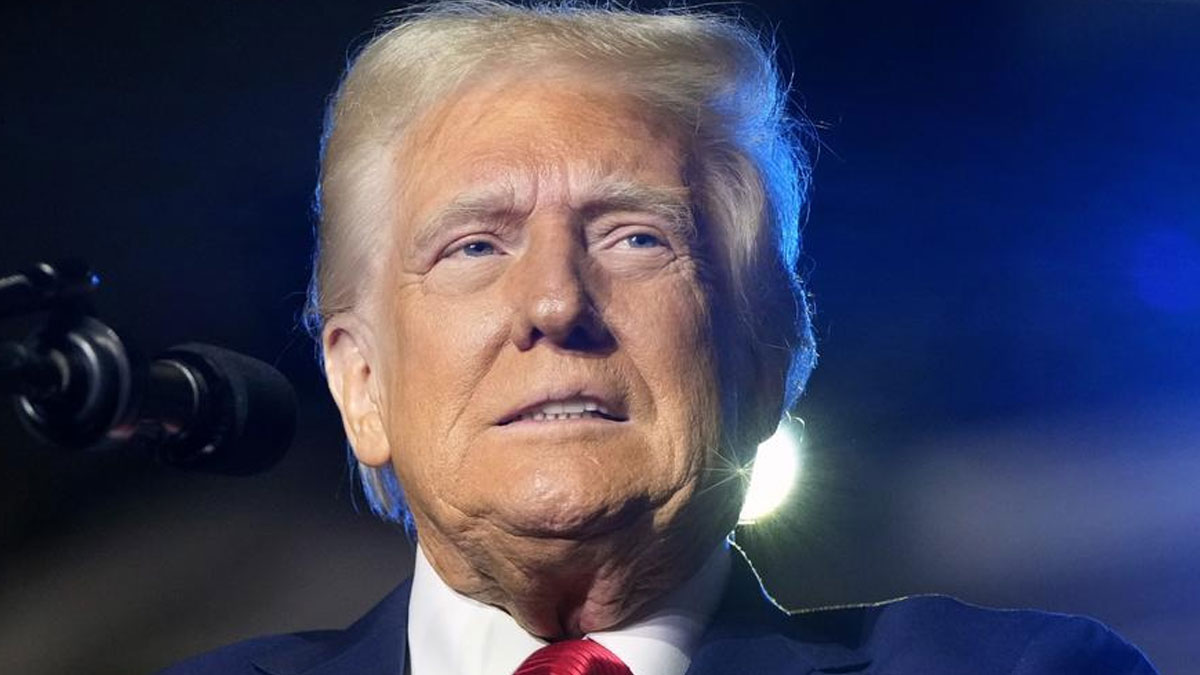
President Donald Trump made more than 1,000 stock transactions in June, including purchases of SpaceX and shares of major technology and defense companies that do business with the U.S. government, according to an ethics disclosure released Saturday.
The transactions were detailed in a filing published by the Office of Government Ethics. The document lists more than 1,000 individual purchases and sales during June, but does not disclose the precise value of each trade, instead reporting transaction amounts within financial ranges.
Trump’s largest single transaction recorded for the month was the June 22 sale of shares in a Vanguard exchange-traded fund. The transaction was valued between $5 million and $25 million.
Among the other notable trades were purchases of major financial companies. Trump bought between $1 million and $5 million worth of Berkshire Hathaway stock, while similarly sized purchases were reported for Visa, Mastercard and Cintas.
The filing also shows that Trump traded in and out of some of the same companies during the month. His accounts sold Palantir shares twice, including a June 18 transaction valued at as much as $1 million. At the same time, they purchased Palantir shares on three occasions, including a June 24 purchase worth between $100,001 and $250,000.
Trump’s accounts also bought and sold shares of several leading technology companies, including Meta, Broadcom, Apple, Microsoft and Nvidia.
One of the more notable transactions came on June 23, when Trump purchased SpaceX stock valued between $15,001 and $50,000. The purchase occurred about 11 days after SpaceX’s initial public offering, as the company was positioned to receive billions of dollars through government contracts for satellite-related work. The Wall Street Journal reported that SpaceX had received a $4.16 billion contract from the U.S. Space Force to target and track airborne threats.
The disclosure comes amid continued questions about how Trump’s investments are managed while he is president. The White House has previously maintained that his finances were placed in a blind trust after he returned to office. However, the exact parties overseeing the stock transactions remain unclear.
Eric Trump, the president’s son and executive vice president of the Trump Organization, said in May that Trump’s accounts are managed by independent third-party financial institutions. He said, “neither President Trump, his family, nor The Trump Organization has any role in selecting, directing, approving, influencing or soliciting specific investments.”
Democrats have continued to challenge that arrangement, pointing to the unusually high volume of trading during Trump’s second term. In a letter signed by Sen. Elizabeth Warren, D-Mass., and Rep. Robert Garcia, D-Calif., the lawmakers estimated that Trump made about 14,000 stock trades in 2025 with a combined value of up to $1.06 billion, averaging roughly 50 transactions per day.
The White House has said the trades are generated through “computer-based model portfolios that automatically replicate recognized indexes, such as the Schwab 1000.”
Trump also reported substantial financial gains during his first year back in office. He made an estimated $2.4 billion in 2025, compared with an estimated $760 million in income in 2024. The $2.4 billion figure does not include his stock trades, which were largely reinvested in the market. Most of the increase instead came from his cryptocurrency ventures.
Another notable series of transactions involved Yum Brands, the parent company of KFC, Pizza Hut and Taco Bell. Trump sold shares of the company in early June before purchasing additional shares in a transaction valued between $1,000 and $15,000 on June 12.
The Yum Brands trades occurred about a month before a cyclospora outbreak was linked to lettuce used by Taco Bell restaurants in Michigan and four other states. Visits to Taco Bell subsequently fell sharply, while Yum Brands shares declined significantly in July before recovering somewhat and gaining 3.8% for the month.






Related Articles
Bill Gates Warns AI Could Cause Mass Death If Misused
Bill Gates has warned that artificial intelligence is powerful enough to contribute...
U.S. and China Discuss AI Safety Alert Mechanism
The United States and China have discussed establishing a new artificial intelligence...
Trump Says CNN, MS NOW and Politico Are Banned From White House
President Donald Trump said Friday that CNN, MS NOW and Politico would...

Trump Threatens EU Tariffs Over Canada Associate Membership Plan
President Donald Trump on Wednesday threatened to impose heavy tariffs on the...
Leave a comment