





China’s Auto Market Sees Rise of PHEVs Over BEVs
 193cc Agency CouncilApril 29, 20242 Mins read
China’s automotive market has witnessed a significant shift, with over 50% of cars sold in the country categorized as “new energy vehicles” in the first half of April 2024. However, contrary to expectations, the surge in sales was driven not by battery electric vehicles (BEVs) but by plug-in hybrids (PHEVs). This trend raises questions about the future of China’s much-touted BEV market and its potential impact on the dominance of internal combustion engine (ICE) vehicles.
At the Auto China 2024 show in Beijing, Madam Ruiping Wang, CEO of Aurobay, Geely’s ICE-producing division, highlighted this shift. She pointed out that while BEVs accounted for 23% of the Chinese market at the end of 2023, their share has now dropped to 21%, with PHEVs rising to 15%. This indicates a growing preference for hybrids, which now make up 19% of the market, compared to BEVs at 21%.
The rise of PHEVs over BEVs can be attributed to several factors. One key reason is the practicality of PHEVs for Chinese families, many of whom own only one car. BEVs are ideal for city driving but fall short on longer journeys, which are common in a vast country like China. PHEVs offer the best of both worlds, providing electric-only driving for city use while having a gasoline engine for longer trips, eliminating range anxiety.
Another factor driving the popularity of PHEVs is their improved performance and electric range. Newer PHEV models offer significantly longer electric-only driving ranges compared to earlier versions, making them more practical for daily use. Additionally, advancements in fast DC charging technology have made it easier to recharge PHEVs on the go, further enhancing their appeal.
Cost is also a significant factor in the rise of PHEVs. Batteries, a key component of BEVs, are still expensive. By opting for a PHEV with a smaller battery, customers can enjoy BEV-like driving experience at a lower overall cost. This cost-effectiveness, coupled with the convenience of hybrid technology, has made PHEVs an attractive choice for many Chinese consumers.
While PHEVs are gaining ground, BEVs are not being entirely sidelined. Companies like Geely continue to invest in BEV technology, recognizing its long-term potential. However, the current market dynamics suggest that PHEVs are carving out a significant share of the Chinese automotive market, offering a compelling alternative to both ICE and BEV vehicles.
The shift towards PHEVs in China’s automotive market is not just a local trend but could also have implications for global markets. As China reevaluates its approach to electric vehicle adoption, other regions, including Europe and America, may also reconsider their strategies. The resurgence of PHEVs highlights the complexity of the automotive market and the need for diverse solutions to meet varying consumer needs.





Related Articles
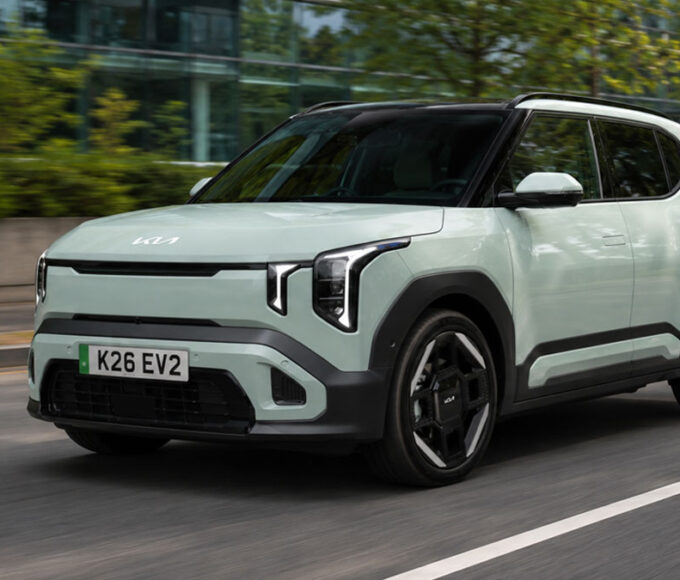
Kia EV2 Review: Affordable Electric SUV Targets 275-Mile Range
Kia is targeting the growing affordable electric SUV market with the new...
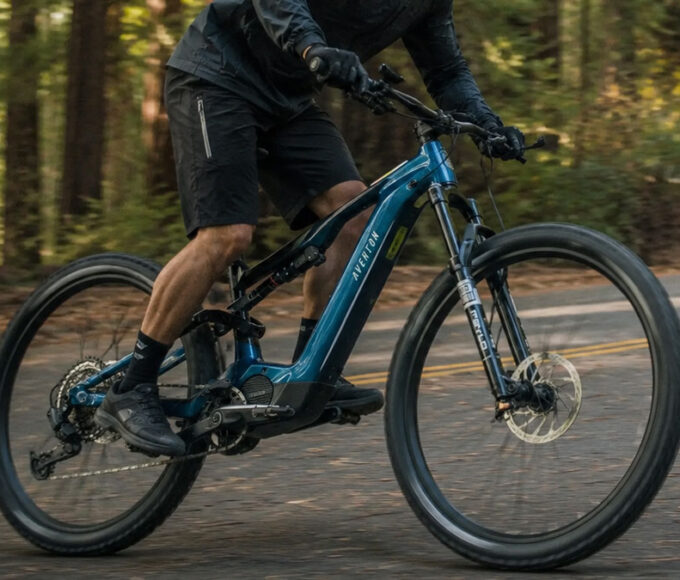
Aventon Current eMTB Brings 750W Power and Full Suspension
Aventon has expanded its electric mountain bike lineup with the new Current,...
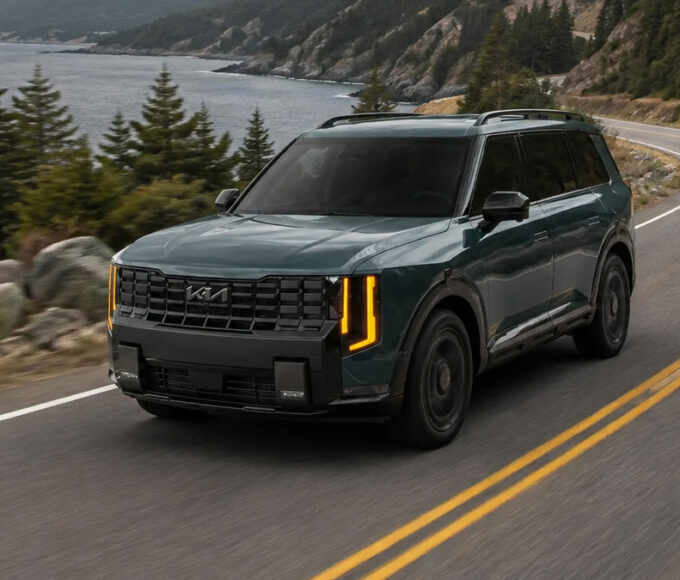
2027 Kia Telluride Turbo Hybrid Brings Power and Luxury Value
The 2027 Kia Telluride Turbo Hybrid marks a major step forward for...
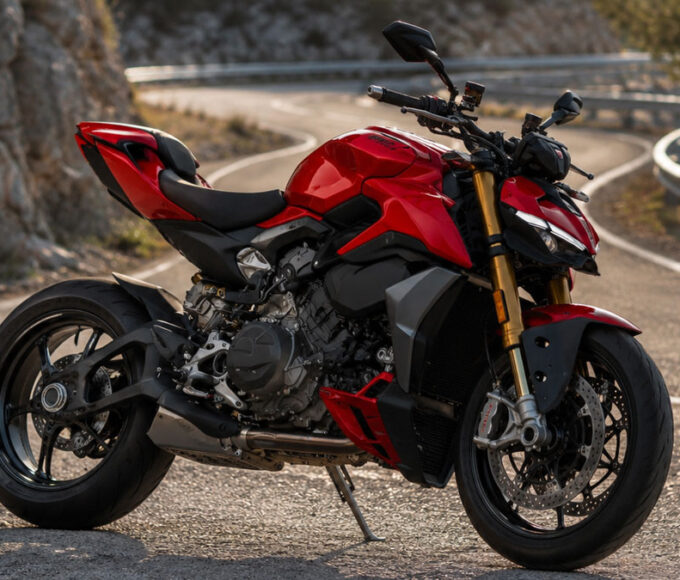

Ducati Streetfighter V2 Delivers 120 HP in a Lighter Package
The 2025 Ducati Streetfighter V2 combines the performance-focused hardware of Ducati’s Panigale...
Leave a comment