





Catch the Stunning May ‘Blue Moon’ Rising This Saturday Evening
 193cc Agency CouncilMay 30, 20261 Mins read
The much-anticipated Blue Moon of May will officially reach its full phase early Sunday morning, May 31, at 4:45 a.m. EDT. However, the most visually captivating moment occurs just after sunset on Saturday, May 30, when the moon rises in the eastern sky. This event marks the second full moon within a single calendar month, a phenomenon known as a Blue Moon. Although it does not refer to the moon’s color, the rising moon often appears larger and bathed in a warm orange hue, creating a spectacular sight for observers.
Moonrise times vary by location, so viewers are encouraged to check local schedules. For instance, in New York City, the moon will rise at 8:14 p.m. EDT, about five minutes before sunset. On the West Coast, Los Angeles residents can observe the moonrise at 7:55 p.m. PDT, just three minutes before sunset. This timing coincides with the “blue hour,” a brief period of twilight when the sky’s fading light provides an ideal backdrop for the glowing moon.
As the moon ascends, skywatchers may also spot Antares, the brightest star in the Scorpius constellation, positioned below the moon. The Blue Moon’s occurrence stems from the lunar cycle of approximately 29.5 days, which occasionally allows two full moons to appear in one month, roughly every two and a half years. The last Blue Moon was the Flower Moon on May 1, and the next monthly Blue Moon after this one is predicted for December 31, 2028.
The characteristic golden or orange glow observed during moonrise is due to Earth’s atmosphere scattering shorter blue wavelengths of light more effectively, leaving the longer red and orange wavelengths to dominate. This atmospheric effect is the same one responsible for the rich colors seen during sunsets.






Related Articles
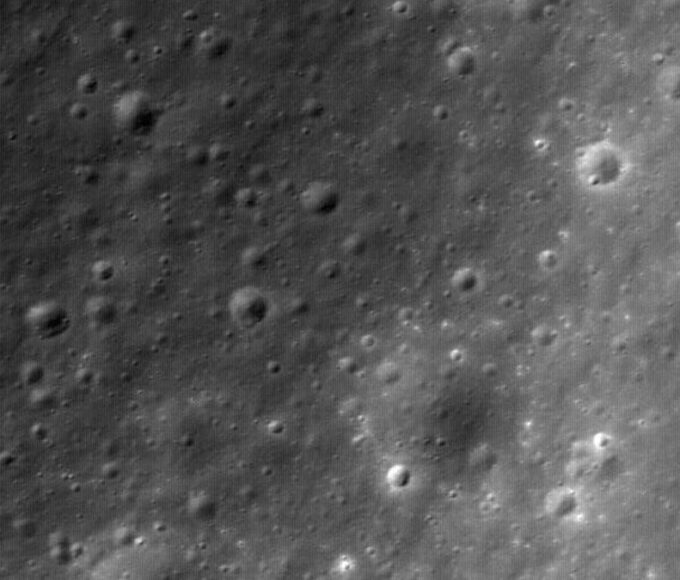
NASA Reveals Crater Left by SpaceX Falcon 9 on the Moon
NASA has released before-and-after images showing the impact site where an unmanned...
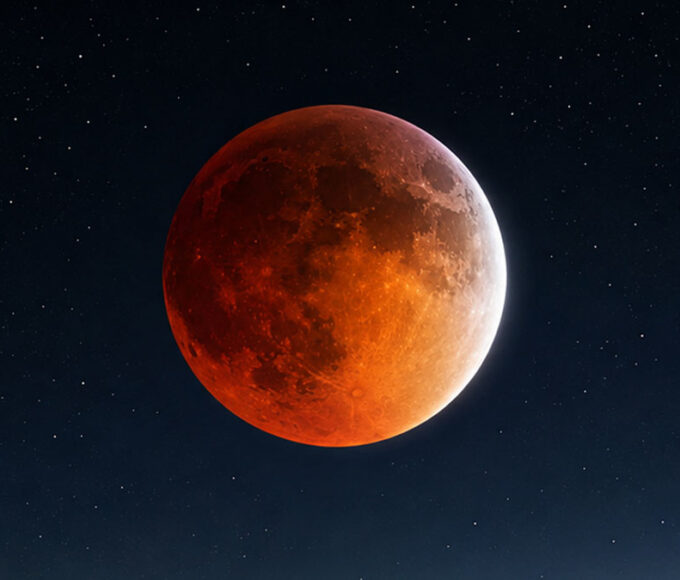
96% ‘Blood Moon’ Eclipse Will Light Up Skies on Aug. 27-28
Skywatchers have another major celestial event to look forward to later this...

July New Moon Begins Countdown to August 12 Total Solar Eclipse
The new moon arriving at 5:43 a.m. EDT on Tuesday, July 14,...


China’s Tianwen-2 Reaches Earth’s Rare Quasi-Moon Asteroid
China’s Tianwen-2 spacecraft has successfully arrived at 469219 Kamoʻoalewa, also known as...
Leave a comment