





Gold Slips Below $4,000 as Precious Metals Extend Weekly Losses
 193cc Agency CouncilJune 25, 20262 Mins read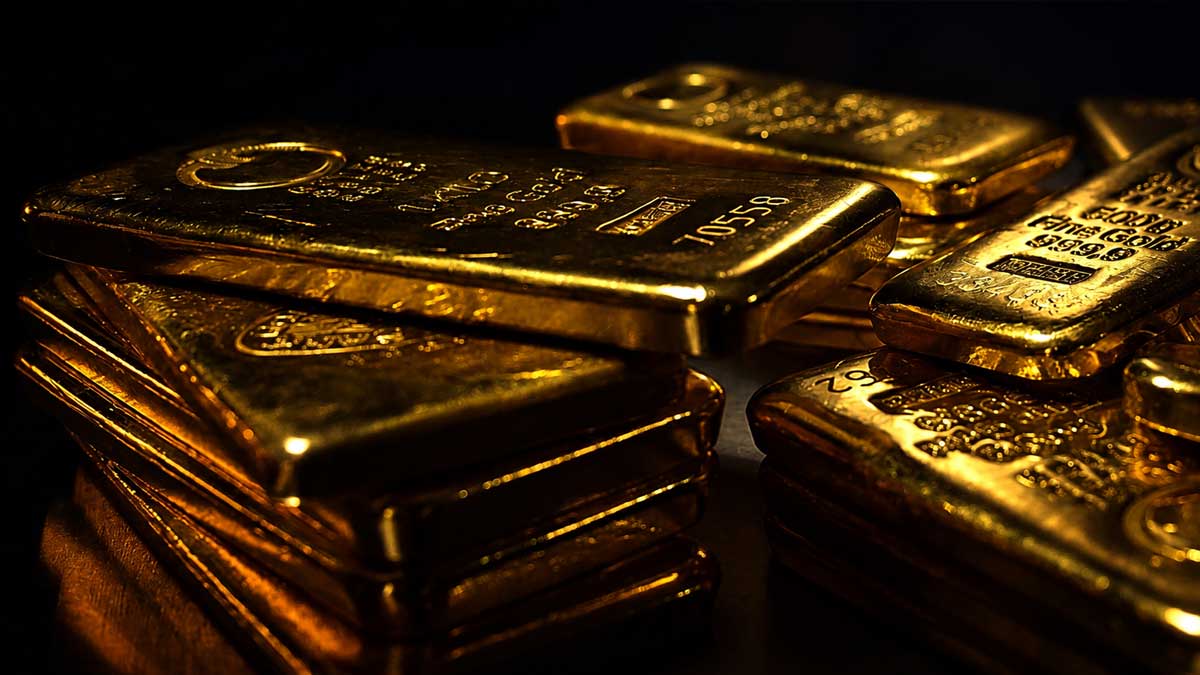
Gold and silver prices dropped sharply on Wednesday, reaching their lowest levels in seven months as investors reacted to a stronger U.S. dollar and growing expectations that the Federal Reserve could increase interest rates later this year. Gold fell below the $4,000 mark for the first time since November, while silver continued its steep weekly decline.
As of 9:15 a.m. EST on Wednesday, gold was trading at $3,988.60, representing a decline of nearly 4% and its weakest price since November. Silver stood at $58.44, down almost 6% on the day after briefly touching an intraday low of $58.09 earlier in the morning.
The selloff has intensified over the past week, with gold losing about 8% of its value and silver dropping roughly 16% during that period. Silver has now fallen to less than half of its record high of approximately $121 reached in January, as precious metals continued to weaken during the conflict involving Iran and amid expectations of tighter U.S. monetary policy.
Ole S. Hansen, Head of Commodity Strategy at Saxo Bank, wrote on X that precious metals are being “pressured by a stronger dollar amid a technology-led equity selloff.” The U.S. Dollar Index climbed 0.36% to 101.77 on Wednesday morning, its highest level in more than a year. At the same time, technology stocks came under pressure this week, with some analysts linking the decline to investor concerns surrounding chipmaker Micron’s earnings report.
Gold and silver reached historic highs in late January following a prolonged rally. Gold peaked at around $5,600 per ounce, while silver climbed to approximately $121. That surge was driven by interest rate cuts, President Donald Trump’s tariffs, geopolitical tensions and increasing industrial demand for precious metals from technology-related sectors. Prices began retreating shortly after Trump selected Kevin Warsh to lead the Federal Reserve, as investors believed he would be less inclined than other potential candidates to cut interest rates, a policy that typically supports higher precious metal prices.
During its first policy meeting under Warsh last week, the Federal Reserve left interest rates unchanged, stating that the U.S. economy is “expanding at a solid pace despite elevated uncertainty,” referencing the ongoing war in Iran. Nine of the central bank’s 18 policymakers supported at least one rate increase this year. Analysts have suggested that additional interest rate hikes would likely place further downward pressure on gold and silver. Philippe Gijsels, Chief Strategy Officer at BNP Paribas Fortis, told CNBC, “In our world interest rates are like gravity. When interest rates rise, gravity increases and all assets are pulled down, including precious metals.” Analysts at Germany’s Commerzbank also said earlier this month that gold prices are likely to remain under pressure as long as expectations for higher interest rates continue.
Despite their reputation as safe-haven investments during periods of geopolitical instability, gold and silver have largely declined throughout the Iran conflict. Their performance has contrasted with traditional market expectations, while prices have generally moved in the opposite direction of oil throughout the conflict. ANZ Research analysts noted on Tuesday that gold has fallen by more than 22% during the Iran war and said the metal “failed to provide any protection against such a big cross-market selloff” this week.






Related Articles

Mark Zuckerberg Loses $8.9 Billion as Meta Shares Slide
Mark Zuckerberg’s estimated fortune fell by $8.9 billion on Friday as Meta...

Oura Targets Up to $2.2 Billion in Smart-Ring IPO
Oura is moving ahead with plans to go public, targeting as much...
Warren Buffett Steps Down as Berkshire Hathaway Chairman
Warren Buffett has stepped down as chairman of Berkshire Hathaway, marking another...


Robinhood Stock Drops 5% as Two Employees Face Crypto Fraud Charges
Robinhood shares dropped more than 5% on Wednesday, reaching a two-week low...
Leave a comment