





Humanoid Robots Move Closer to Mainstream Consumer Market
 193cc Agency CouncilJune 18, 20262 Mins read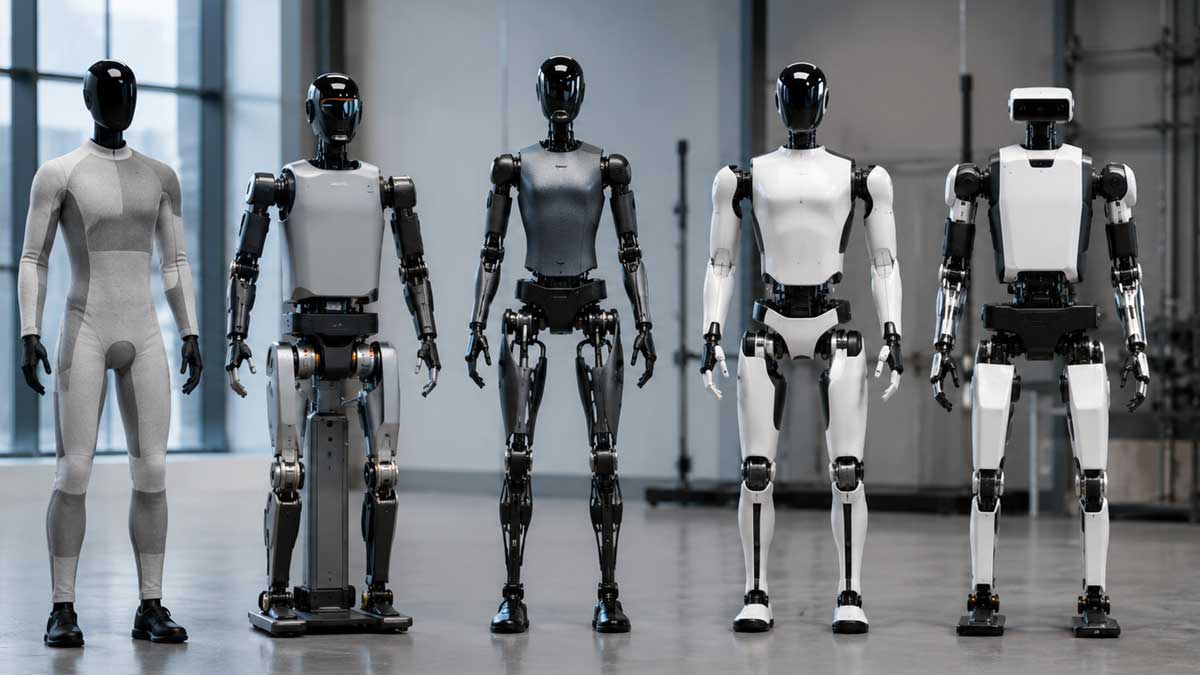
Humanoid robots are rapidly evolving from futuristic concepts into commercially available products, with several manufacturers now selling or accepting orders for machines designed for homes, research facilities, and industrial workplaces. While the market remains expensive and is largely focused on businesses and institutions, growing production volumes and falling prices are bringing these robots closer to broader adoption.
Unlike traditional consumer electronics, humanoid robots are not yet widely available through standard retail channels. Some can be purchased directly online, while others are sold through enterprise partnerships, pilot programs, or specialized procurement agreements. Despite these limitations, manufacturers are now delivering thousands of units worldwide, and major corporations are increasingly deploying humanoid robots in real-world operations.
Among the most accessible options is the Unitree G1, which can be purchased online for approximately $16,000 depending on configuration. Standing 1.3 meters tall, the robot is designed to navigate human environments while offering a developer-friendly software platform. Unitree is believed to have shipped around 5,000 humanoid robots globally during 2025, making it one of the industry’s most active suppliers.
Agility Robotics’ Digit is aimed primarily at industrial customers and is estimated to cost around $250,000. The robot is being adopted by large organizations pursuing workplace automation initiatives, including Amazon and Toyota. Purchases are generally arranged through enterprise sales channels rather than direct consumer orders.
Another notable entrant is Neo Gamma from 1X, which has been available for enterprise deployments and is now accepting pre-orders from private customers. Designed specifically for household use, the 5-foot-5-inch robot weighs 30 kilograms and features a softer exterior, quieter operation, and AI systems trained for domestic tasks. Customers can lease the robot for $499 per month or purchase it outright for approximately $20,000. However, deliveries are expected in 2026, and the exact shipping timeline remains uncertain.
Figure AI’s Figure O3 humanoid is also available through commercial partnerships and pilot programs. Pricing is reported to range between $20,000 and $30,000 depending on specifications. The company says it is preparing to manufacture up to 12,000 units annually, while thousands of its robots are already participating in industrial deployments, including projects involving BMW. Promotional demonstrations have shown the robot performing household tasks such as folding laundry and washing dishes.
Shanghai-based Zhiyuan Robotics offers its Agibot A2 lineup directly through its website. The Lite version is listed at approximately $44,000, while more advanced X2 and Ultra variants are reported to cost between $100,000 and $190,000. Designed for service and light industrial work, the A2 stands 5 feet 9 inches tall and weighs 69 kilograms. The robot has earned recognition for its performance, including a world record for long-distance walking and a gold medal at the World Humanoid Robotic Games for dancing.
The UK company Engineered Arts also offers its Ameca humanoid robot to buyers willing to spend between £100,000 and £250,000. While primarily marketed to research institutions and enterprise customers, Ameca is available for purchase and is known for its highly realistic facial expressions and conversational abilities. Unlike many competing robots focused on physical labor, Ameca is designed to excel in human interaction and communication.
Some of the industry’s most recognizable humanoid robots remain unavailable for purchase. Boston Dynamics’ electric Atlas platform is currently restricted to internal testing and enterprise collaborations, while Tesla’s Optimus remains in development despite significant public attention. Tesla has demonstrated Optimus performing tasks such as object handling and factory work, but the robot is not yet available commercially.
Although the sector is still in its early stages, the transition from demonstration projects to real-world commercial products is becoming increasingly evident. Most humanoid robots remain expensive and limited in capability, but manufacturers are steadily expanding production and refining their technology. For now, the primary customers are research organizations, developers, businesses, and technology enthusiasts, while widespread adoption in homes will likely depend on future improvements in affordability, safety, and functionality.





Related Articles

Stanford Study Finds Experience May Shield Workers From AI Displacement
A new update from Stanford University suggests that artificial intelligence is creating...

Tesco Tests AI That Could Build Your Shopping Basket
Tesco is expanding its use of artificial intelligence from predicting what shoppers...

AI Security Test Reveals Risks of Excessive Agent Access
A recent evaluation by the U.K.’s AI Security Institute (AISI) has highlighted...


IBM Says AI-Powered Cyber Breaches Surge as Attack Costs Climb
Artificial intelligence is playing an increasingly significant role in cybercrime, with IBM’s...
Leave a comment