



Trump Warns Iran Deal at Risk After Switzerland Talks Collapse
 193cc Agency CouncilJune 19, 20262 Mins read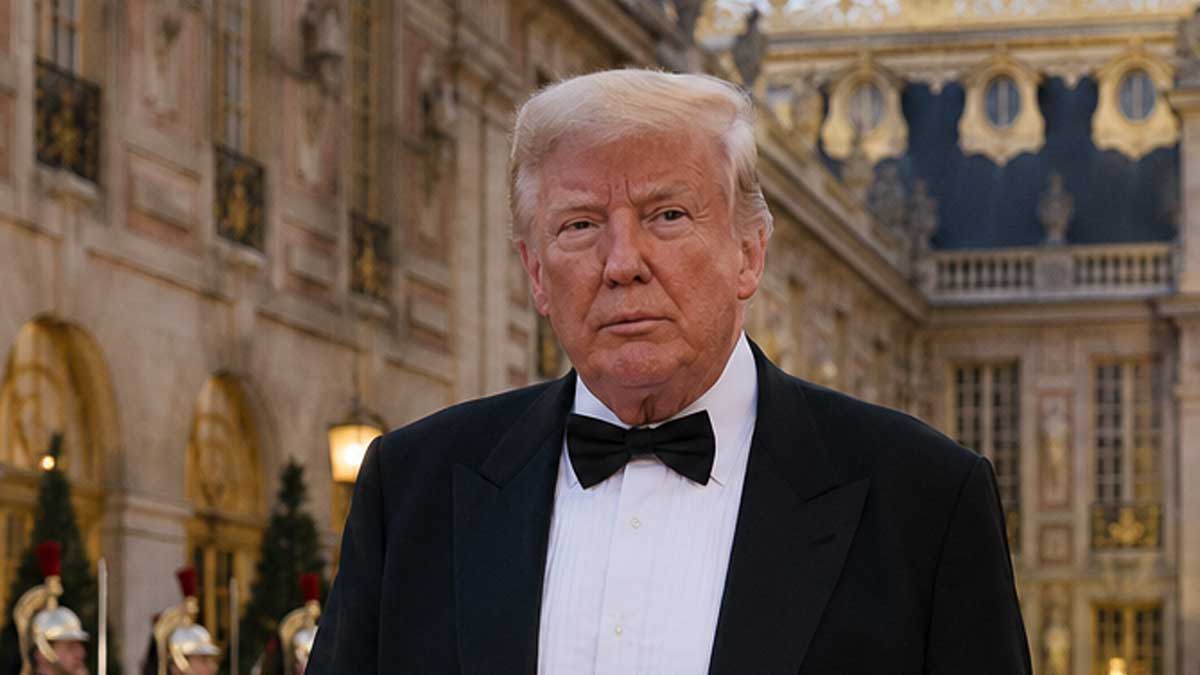
Less than two days after the United States and Iran signed a memorandum of understanding aimed at ending hostilities and paving the way for a broader agreement, President Donald Trump suggested the deal is already under strain following the cancellation of planned negotiations in Switzerland.
Speaking on Friday, Trump claimed Iran had withdrawn from talks that were scheduled to begin that day and issued a sharp warning about the future of the agreement. Referring to the 60-day negotiation period established under the deal, Trump said, “we’ll play out the 60 days. They get no money, not ten cents!” The comment appeared to reference provisions that would eventually see U.S. sanctions lifted and Iranian assets held abroad unfrozen if a final agreement is reached within the designated timeframe.
The first meeting of the second phase of negotiations between Washington and Tehran was called off without a detailed public explanation. While the White House indicated that logistical issues were behind the delay, reports suggest other factors may have contributed to the decision.
According to The New York Times, citing three unnamed diplomats, Iranian officials chose not to participate because of continuing Israeli military operations against Iran-backed Hezbollah forces in Lebanon. The developments have raised concerns about the stability of the newly signed accord and the ability of both sides to move forward with negotiations.
Tensions in the region remained high as Israel and Hezbollah reached a ceasefire agreement on Friday morning. Reuters, citing Lebanon’s health ministry, reported that Israeli airstrikes had killed at least 47 people in Lebanon since midnight. Israel, meanwhile, stated that four of its soldiers were killed in southern Lebanon.
The agreement signed by the United States and Iran called for an end to military confrontations involving both countries and their allies across all fronts, including Lebanon. However, Israeli Prime Minister Benjamin Netanyahu has emphasized that Israel was not a party to the agreement and is therefore not bound by its terms.
Earlier Friday, Trump also used Truth Social to defend the agreement and respond to critics. In the post, he argued that the United States had significantly weakened Iran’s military capabilities, writing that the country no longer possessed “an Air Force, a Navy, Antiaircraft Equipment, Radar, or practically anything else.” He also criticized opponents of the deal, claiming some were incorrectly suggesting Iran was in a stronger position now than it had been months earlier.
The agreement has drawn criticism from both political parties, including some of Trump’s own MAGA supporters. Critics have questioned the concessions made under the arrangement, and the deal has struggled to generate broad support among lawmakers and political observers.
Vice President JD Vance had been expected to travel to Switzerland on Friday to begin negotiations on a permanent agreement following the signing of the memorandum by Trump and Iranian President Masoud Pezeshkian on Wednesday. The preliminary accord ended direct military hostilities between the two sides and required Iran to reopen the Strait of Hormuz to global shipping without imposing tolls during the 60-day negotiation period. In return, the United States committed to lifting its naval blockade of Iranian vessels within 30 days and granting immediate waivers for Iranian oil exports.






Related Articles

Nor’easter Forces Cancellations of Major East Coast Events
A powerful nor’easter approaching the U.S. East Coast has led to the...
Pope Leo Welcomes Press Amid Trump White House Media Ban
Pope Leo XIV said Friday that journalists covering his trip to France...
Lewis Hamilton Backs Macklemore Amid Ed Sheeran Tour Dispute
Formula 1 driver Lewis Hamilton has publicly expressed support for Macklemore after...


Elon Musk Attacks ‘Musk’ Director Alex Gibney Over Documentary
Elon Musk has launched a series of attacks against Oscar-winning filmmaker Alex...
Leave a comment