





JLR’s Project Cornerstone Brings More Recycled Parts to Range Rover
 193cc Agency CouncilJune 29, 20262 Mins read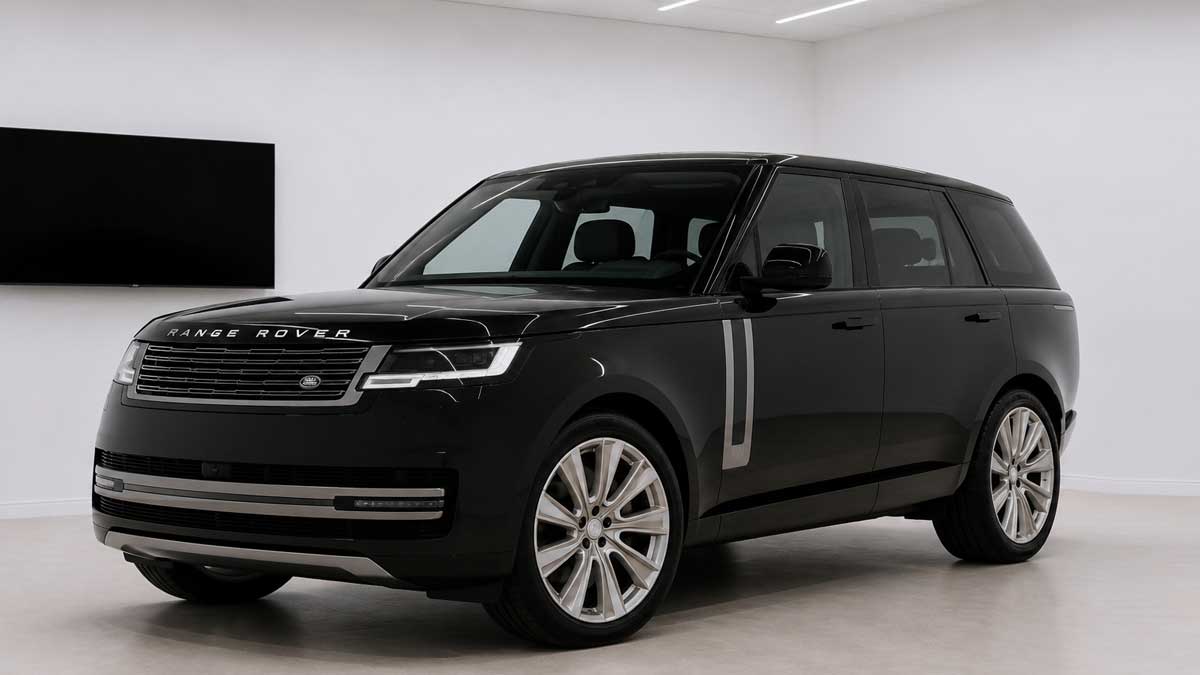
Jaguar Land Rover has unveiled Project Cornerstone, a sustainability initiative that demonstrates how recycled materials can significantly reduce the carbon footprint of vehicle production without compromising luxury or quality. Built on an unused Range Rover body shell, the demonstration vehicle incorporates sustainably sourced components developed in partnership with 30 of JLR’s largest suppliers, showcasing technologies that could appear in future production models.
Vehicle manufacturing contributes a substantial share of lifetime emissions, accounting for roughly 20% to 23% of emissions from internal combustion engine vehicles and 30% to 46% for battery electric vehicles. Project Cornerstone is designed to reduce those production-related emissions by replacing conventional materials with lower-carbon alternatives that are ready for industrial testing rather than remaining theoretical concepts.
According to Reuben Chorley, JLR’s Director of Sustainable Industrial Operations, the project began just over a year ago with the goal of working alongside suppliers responsible for high-carbon components such as steel, aluminum and alloy wheels. Instead of creating a futuristic concept vehicle, JLR challenged its partners to build the most sustainable components currently possible while ensuring they could pass real-world testing and validation. The collaboration has already produced 49 redesigned parts weighing a combined 140 kilograms, delivering more than one metric ton of CO2 equivalent savings compared with traditional manufacturing methods.
Among the most significant improvements are alloy wheels manufactured with a high percentage of recycled material using 100% renewable energy, which Chorley described as delivering the project’s biggest carbon reduction. Other innovations include headlights made with recycled tire materials, recycled seat foam, FlexAir seating technology, speaker magnets containing 95% recycled materials and side window glass manufactured entirely from recycled automotive glass supplied by Pilkington. The recycled glass alone cuts associated carbon emissions by 36%.
JLR said the project has also encouraged suppliers to collaborate directly with one another. Chorley noted that alloy wheel manufacturer Superior Industries worked alongside tire maker Pirelli to develop a shared sustainability approach. Rather than treating sustainability as a competitive advantage, JLR hopes broader industry adoption will accelerate lower-carbon manufacturing across the automotive sector.
Beyond environmental benefits, Project Cornerstone is intended to strengthen supply chain resilience. By increasing the use of recycled materials recovered from end-of-life vehicles, JLR aims to reduce dependence on raw materials that may be affected by geopolitical tensions, shortages or regional supply disruptions. Chorley also pointed to evolving regulations requiring minimum recycled content in vehicle components, saying consistent global production standards are preferable to developing different specifications for individual markets.
JLR emphasized that customers should notice no difference in quality between recycled and virgin materials. During the demonstration, one front headlamp used recycled materials while the other used conventional components, yet both appeared visually identical. Chorley said the company wants customers to enjoy the same premium ownership experience while offering greater sustainability for those interested in the vehicle’s environmental credentials.
The company acknowledged that recycled materials do not always cost less than newly produced alternatives, with pricing depending on product maturity, sourcing and industrial scale. JLR expects those economics to evolve over the next five to ten years as vehicle recycling technologies improve and new industries emerge around recovering valuable materials from end-of-life vehicles.
Although the demonstration vehicle is not entering production immediately, several technologies are already progressing through validation. JLR confirmed that its 100% recycled door glass has completed testing and will appear in a future vehicle, while recycled seat foam and additional components are undergoing further evaluation before being introduced during upcoming model launches. Encouraged by the project’s success, the company has expanded participation beyond its original 30 suppliers and invited another 150 partners to contribute new ideas as it works toward bringing more sustainable components into future Range Rover models.






Related Articles

Kia EV2 Review: Affordable Electric SUV Targets 275-Mile Range
Kia is targeting the growing affordable electric SUV market with the new...
Aventon Current eMTB Brings 750W Power and Full Suspension
Aventon has expanded its electric mountain bike lineup with the new Current,...

2027 Kia Telluride Turbo Hybrid Brings Power and Luxury Value
The 2027 Kia Telluride Turbo Hybrid marks a major step forward for...


Ducati Streetfighter V2 Delivers 120 HP in a Lighter Package
The 2025 Ducati Streetfighter V2 combines the performance-focused hardware of Ducati’s Panigale...
Leave a comment