





Strawberry Moon Lights Up Skies With Lowest Full Moon of 2026
 193cc Agency CouncilJune 29, 20262 Mins read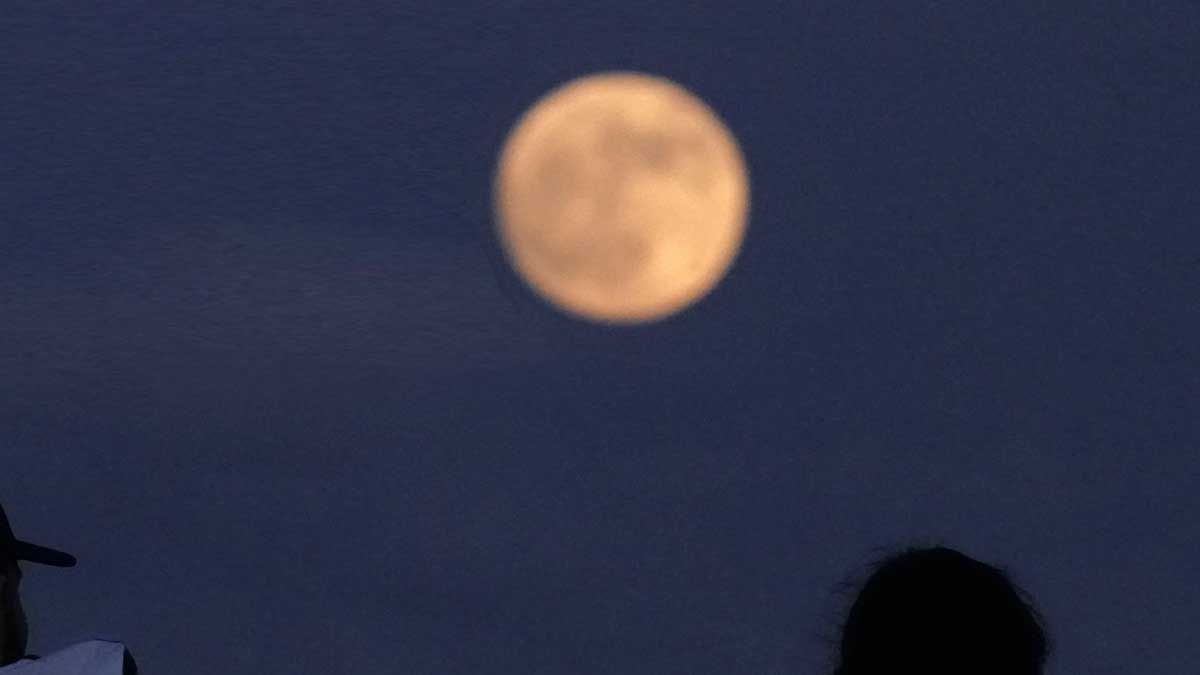
Skywatchers across North America will have the chance to witness June’s full Strawberry Moon on Monday, June 29, as it becomes the lowest full moon of 2026 in the Northern Hemisphere. The best viewing opportunity will come shortly after sunset during moonrise, when the moon appears unusually large near the southeastern horizon because of the well-known “moon illusion,” even though it is actually one of the smallest full moons of the year. The event also arrives as forecasters monitor the possibility of northern lights in parts of the northern United States.
The Strawberry Moon officially reaches its full phase at 7:58 p.m. EDT on June 29. However, at that exact moment the moon will still be below the horizon for viewers across North America. Observers are expected to enjoy the best views during local moonrise after sunset. In New York City, the moon is scheduled to rise at 8:48 p.m. EDT, while Los Angeles will see moonrise at 8:26 p.m. PDT. Astronomers recommend choosing a location with a clear view toward the southeastern horizon, where the moon’s orange glow will gradually emerge above buildings, trees or distant landscapes.
This year’s Strawberry Moon is classified as a micromoon because it occurs just over one day after lunar apogee, the point in the moon’s orbit when it is farthest from Earth. At a distance of 252,442 miles (406,267 kilometers), the moon will appear about 13% smaller and dimmer than the average full moon, making it the second-smallest full moon of 2026. Despite its reduced size, the moon illusion can make it appear exceptionally large while it remains low on the horizon.
The timing of this full moon also makes it the first since the June summer solstice. Because a full moon always appears opposite the sun in the sky, it follows the sun’s winter path, remaining low across the southern sky throughout the night in the Northern Hemisphere. In contrast, observers in the Southern Hemisphere will see the full moon travel much higher overhead, marking the first full moon of their winter season.
The name “Strawberry Moon” originates from traditional North American strawberry harvesting season rather than the moon’s color. Indigenous and traditional names for the June full moon also include the Berries Ripen Moon, Green Corn Moon and Hot Moon. It is the seventh of 13 full moons occurring in 2026, a result of the moon’s 29.5-day cycle gradually shifting against the solar calendar.
The next full moon, known as the Buck Moon, will occur on July 29. Skywatchers can also look ahead to a total solar eclipse on Aug. 12, visible from eastern Greenland, western Iceland and northern Spain, while much of Europe will experience a deep partial eclipse. The same dates will coincide with the annual Perseid meteor shower, with dark skies expected to provide favorable viewing conditions and meteor rates exceeding 50 per hour.






Related Articles
NASA Reveals Crater Left by SpaceX Falcon 9 on the Moon
NASA has released before-and-after images showing the impact site where an unmanned...
96% ‘Blood Moon’ Eclipse Will Light Up Skies on Aug. 27-28
Skywatchers have another major celestial event to look forward to later this...
July New Moon Begins Countdown to August 12 Total Solar Eclipse
The new moon arriving at 5:43 a.m. EDT on Tuesday, July 14,...


China’s Tianwen-2 Reaches Earth’s Rare Quasi-Moon Asteroid
China’s Tianwen-2 spacecraft has successfully arrived at 469219 Kamoʻoalewa, also known as...
Leave a comment